Guarana Benefits

Guarana Benefits

Guarana Benefits
Guarana is a shrub whose seeds have stimulating and energizing effects, since this plant is one that contains the largest concentration of caffeine. Native to the Amazon and used to pre-Columbian times to treat various ailments, she is known in Europe since the eighteenth century. Particularly appreciated as a drink, Guarana promotes concentration and memory and may help lose weight.

Scientific name: Paullinia Cupana
Common names: Guarana, Forest eye
English names: Guarana, Brazilian Cocoa, zoom
Botanical Classification: Family Sapindaceae
Various forms and preparations: Drinks, Capsules, Powders, Teas, Dried berries, Tablets, Ampoules

Medicinal properties of guarana
INTERNAL USE
Stimulating properties due to a high caffeine content; combustion of fats; increased cell basal metabolism; General stimulant of the organization; Neurostimulant; Euphoriant; Temperature control; satiety regulator; Diuretic; Antineuralgic; Antidiarrheal; Heart tonic.

EXTERNAL USE
Any.

USUAL THERAPEUTIC INDICATIONS
Physical and intellectual stimulant in cases of fatigue or intense activity (physical and intellectual asthenia), guarana improves endurance and increases cognitive abilities such as concentration and memory; it helps digestion in case of flatulence, facilitates weight-loss program; it helps to fight against intestinal disorders, diarrhea and hypotension.

OTHER THERAPEUTIC INDICATIONS DEMONSTRATED
Limit stress; reduces muscle pain ; fight against migraines; helps detoxify the blood; treats rheumatism, dyspepsia, arteriosclerosis; stimulates the immune system (analgesic, flu).

History of using Guarana herbal
These are the American Indians of the Tupi-Guarani branch who discovered it a long time ago, the properties of guarana. Its seeds were already used in herbal medicine in pre-Columbian times (more than 2000 years BC.), To fight against fatigue and control the appetite during periods of drought or long expeditions forest. In Europe, guarana is discovered in the nineteenth century, but it soon became popular and consumed the drink.

Botanical description of guarana
Guarana is a shrub now, originally, in the Brazilian Amazon. This small shrub is climbing, with alternate leaves. It looks like a vine that climbs up the other trees. The flowers are greenish and arranged in clusters. The fruit is a capsule with red membranous three boxes, each containing a black, oval seed. These fruits are harvested in September and then dried before the seeds are removed.

Guarana composition
PARTS USED
In herbal medicine, it uses only seeds in the dried fruit. This seed resembles that of coffee.

ACTIVE INGREDIENTS
Alkaloids, Adenine, Guaranine (Caffeine in high concentration), Hypoxanthine, Theophylline, Theobromine, Xanthine. Mucilage, Pectin, Tannins, Amino Acids, Essential fatty acids, Minerals, Trace elements, Vitamins A, E, B1, B3, PP.

Use and dosage of Guarana
Guarana consumption must be adapted by each, according to its tolerance to caffeine. To avoid overdose, it is recommended to take the prescribed minimum dose and increase gradually. In Brazil, it is common to consume daily from 4 to 8 g of powder Guarama, diluted in a glass of water or fruit juice.

- The maximum recommended dosages of caffeine are: for children: 2.5 mg per kilo, for pregnant women: 300 mg for adults: 400 to 450 mg. Guarana is an exciting it is recommended to consume before 16 hours.

- In capsules: the caffeine content can vary depending on the chosen commercial preparation. It may range from 75 to 250 mg per dose.

- Guarana provides extra strength and vitality, endurance and energy while reducing the signs of tiredness. It therefore promotes athletic performance. One to two hours before your workout, take 2 to 5 g of powdered Guarana. Be limited to two or three times a week to avoid habituation.

- Guarana acts on fatigue, body temperature and the burning of body fat. It activates fat loss and reduce appetite, while reducing fatigue. Take 1 or 2 grams of powdered Guarana daily before meals for four to six weeks.

- For a stimulant, a fight against tiredness, increase intellectual attention, reduce blood pressure or headaches, take 450 to 500 mg of powder diluted in water or fruit juice.

Precautions
Some energy drinks containing guarana and contain a very high caffeine concentration. They must not be combined with other forms of caffeine.

CONS-INDICATIONS
Guarana is not recommended for pregnant or nursing women and to children. The sensitive or allergic to caffeine or Xanthines should not consume Guarana. It is not recommended for people with cardiovascular disorders, gastric ulcers, anxiety, insomnia, to hypertension, hyperthyroidism.

SIDE EFFECTS
At recommended doses, side effects are rare. Guarana consumption may, however, result in increased blood pressure, heart palpitations or gastric irritation. Regular intake of Guarana can develop tolerance and dependence. In case of overdose, difficulty urinating, vomiting, headache, muscle cramps can occur.

INTERACTIONS WITH MEDICINAL HERBS OR SUPPLEMENTS
Guarana is rich in caffeine, it is not appropriate to combine it with other plants or food supplements containing also. It is not recommended to consume Guarana along with Ephedra or extracts of bitter orange. It can be combined safely with Ginseng, Royal jelly, the Rhodiola, Turmeric or Spirulina.

INTERACTIONS WITH DRUGS
The consumption of guarana is not recommended with aspirin-based treatment, anticoagulants, platelet inhibitors, MAO inhibitors. The effects of analgesics may be increased, while those of sedatives and painkillers will be reduced. Side effects of some drugs can be strengthened by the caffeine content. There may be interference with the treatment against diabetes. Consumption of Guarana is strongly discouraged with the following drugs: Cimetidine (Peptic ulcers), Clozapine, Monoamine Oxidase Inhibitors, Antacids, Alendronate (Osteoporosis).

Doctor's opinion
THE KNOWN BENEFITS
Guarana has real positive effects and helps stimulate the body in general. This plant promotes concentration, is a fat burner and strengthens the immune system. It does not have the negative effects of caffeine in coffee, but remains exciting.

WARNING
Caffeine is not good for your health in the long term and addictive. Guarana should be taken occasionally or cures, but not continuously or over long periods.

Guarana Research
Research has shown that guarana could stop the development of cancer cells and tumors. These experiments were conducted on rats and are still continuing. Other research has confirmed that guarana allowed to fight against drowsiness, increase attention, improve cognitive performance, help control weight gain and stimulate the central nervous system.
Lavender Benefits

Lavender Benefits

Lavender Benefits

Lavender already used by the Romans in ancient times for its flavor and its therapeutic qualities, lavender is now one of the medicinal plants most popular in herbal medicine, especially for nervous problems, digestive or joint.

The Purslane Secret

The Purslane Secret

The Purslane Secret
You said weed? Purslane is actually a very tender plant, rich in omega 3 and antioxidants. Instead of stomping, take the time to pick the "good grass" and enjoy all its benefits. It is a very common plant gardens, purslane grows easily everywhere. That why it tends to be called weed. Yet, purslane is an edible plant with many nutritional interests, why it is the basis of the famous Cretan diet.

Iron
Purslane has an incredible wealth of minerals, particularly calcium, iron, magnesium and potassium) essential to the proper functioning of the body. They are involved in composition of enzymes and hormones, play a role in the formation of bones and teeth and help maintain heart rhythm, muscle contraction, neuronal conductivity and acid-base balance .

Purslane also contains omega-3 type involved in our good vascular health, vitamins (A, B, C) which allow the proper functioning of cells and antioxidants that protect us from free radicals. This weed is also one of the secrets of longevity of the Cretans.

In detox cure
Purslane is also interesting in detox treatment because it helps remove excess water retained in the body and ease the digestion after overeating possible. The dried young shoots have diuretic and detoxifying properties. In tea, they relieve digestive disorders. Associated with dandelion, purslane improves skin condition in acne breakouts. In purifying cure, it can be combined with the savage mind to improve the functioning of the excretory organs (that remove toxins) as the intestine, liver or skin).

Care
Applied directly to the skin, it moisturizes and softens. Thanks to its anti-inflammatory and antibacterial properties, it can be applied directly to wounds to soothe skin irritations and promote healing. Chewing some leaves calm inflamed gums and even sore throats.

Kitchen
Purslane is eaten mostly raw but it can be cooked. It can be eaten in salads, add to legumes, a farce, a quiche or soup. Add it to your tzatziki or omelette. It can be drunk as a tea or juice form. Purslane makes your green smoothies (lettuce, spinach, kale) creamier.

Culture
It is not uncommon wild purslane grows wild in the gardens. This species is often considered a weed when it is as delicious as the culture purslane. It is distinguished by its smaller size and the fact that it runs along the ground instead of pushing height. In fact, it is not a problem and it is very interesting to let it grow to the pick during weeding your garden.

Purslane culture, he asks sandy soil and lots of light. One of the plant from March to September in light soil, well drained. Online is sown every 20 to 25 cm. For purslane all summer and beyond, do not hesitate to space your semi in time.
This little known plant has miraculous effects against cancer

This little known plant has miraculous effects against cancer

This little known plant has miraculous effects against cancer

Dandelion root anti cancer. The Dandelion roots plant hat scientists found to have extraordinary qualities against cancer. A recent study from the University of Windsor in Canada, dandelion roots are much more effective than chemotherapy. Explanations.

A Fantastic food
It is quite common to link between cancer and chemotherapy, or between drugs and leukemia. In addition to sometimes end badly, these serious diseases bring an atmosphere of sadness and a fragile state of mind when they are supported by medicine. What would happen if advised to drink an infusion to treat leukemia, breast tumor or prostate?

A recent study by the University of Windsor in Canada demonstrated cytotoxic effects of dandelion root extract on the three aforementioned diseases. This extract would kill up to 96% of leukemia cells myelomonocytic chonique (CSA) just 48 hours after assimilation. It is thanks to Caroline Hamm all started. Caroline is an oncologist who cared for an elderly patient with a CSA. She practiced her conventional chemotherapy without much result.

Continuing its sessions, the patient began to drink tea with dandelion roots in the waiting room, as some have coffee or read a magazine. Since that day, Dr. Hamm has noted, while unexplained, a health was improving for his patient, but also for another patient who had advised the first drink. Both patients then refused to go further with chemotherapy.

The oncologist then informed biochemist Siyaram Pandey, professor at the University of Windsor in Canada, this healing. Taking the matter seriously, it undertakes research, aided by his students.

After tests on blood cells from different patients, with freshly plucked dandelion roots in nearby meadows, the Canadian scientist said they had an important healing potential and profitable alternative to chemotherapy.

Siyaram Pandey admits: "root extract killed the cells very selectively. Healthy cells were not killed, while cancer cells yes."

Dandelion tea acts rapidly on certain cancer cells, affecting in such a way that they disintegrate within 48 hours, allowing healthy new cells to form in the body. Dandelion roots are used for thousands of years in traditional Chinese medicine. Time will tell if these natural alternatives practices are fair, at the expense of large pharmaceutical companies and Western practices.
Wormwood, the women friend

Wormwood, the women friend

Wormwood, the women friend

The therapeutic benefits of wormwood were already known to the time of the Gauls. This herb supports digestion and treats menstrual disorders. It is also recommended in the treatment of muscle and joint pain. Here are three recipes sagebrush to yourselves.

Infusion: 1 tablespoon of dried plant (leaf and flowering top) in 20 cl of boiling water, let steep 5 minutes, filter. Drink 2 cups a day between meals (female disorders) or 15 minutes before meals (digestive disorders).

Wine wormwood
Let macerate 20 g of fresh flowering tops for ten days, in 1 liter of sweet white wine, filter. Drink 2 glasses per day in Bordeaux during the week before menstruation or to treat digestive disorders.

More
Wormwood, slipped fresh in the boots of hikers, helps to walk a long, thin legs and without blisters. By late afternoon, it mixes with the bath water to relieve muscle and joint pain. The aromatic fresh mugwort herb stimulates bile secretion and makes it more digestible fat dishes. In spring, its young flowering tops knob are also delicious donuts.
Ginkgo, desmodium, Eschscholzia, ginseng plants

Ginkgo, desmodium, Eschscholzia, ginseng plants

Ginkgo, desmodium, Eschscholzia, ginseng plants

Often it was believed find miracle plant, from remote regions, endowed with unique properties that cure many ills. If these travelers made regularly featured as ginkgo, desmodium the Eschscholzia or ginseng sometimes represent a passing fad, they really help to get back on the health track. What do the so-called exotic plants in herbal medicine? Do we really need? Many professionals think. For if some have surfed modes, disappearing thereafter to the general public, they have shown their advantages and are used daily. "The clove  is used for centuries. Its utility does not even discussed. We can not do without is the most classic anesthetic ", exclaims Françoise Thomas, MD, specializes in herbal medicine.

And examples abound. Most hypertensives are exotic: coffee, tea, of course, but also the kola nut, cocoa, yerba mate and guarana. Because their environmental conditions are at the origin of their active principles, often richer due to sometimes extreme conditions. "Harpagophytum, from Namibia, contains many iridoids, anti-inflammatory properties useful against arthritis , back pain, etc. It is a dryland plant, which is very difficult to grow outside its biotope complex ", says Jean-Michel Morel, herbalist.

The plants develop special properties indeed by the environments in which they live. "France has many habitats, but it has little tropical and arctic zones. It is normal that he lacks the associated plants ", takes the herbalist.

Ginseng, for example, is adaptogen. These types of plants facilitate the adaptation of the body to stress. In France, it has not yet found equivalent. Among the originating equatorial climate, benzoin balm, made ​​from Styrax benzoin, which comes from the island of Sumatra, is an antispasmodic and pulmonary antiseptic used against bronchitis among others. A majority of these exotic tropical climates comes from: "The griffonia comes from Africa. It serves as a supplement for depressive syndromes because it has a precursor of serotonin, "says Jean-Michel Morel." Bamboo is very good for spinal problems. In addition, it grows fast and renewed well ", continues Françoise Thomas.

But obviously, it should be careful. There is always a novelty factor or a spotlight that promotes a particular plant. Sometimes with exaggerated effect. At first, horse chestnut, now a common tree in our parks, was presented as alternate quinine. Far short of his virtues, however, it is quite useful against hemorrhoids and bleeding. "In the eighties, Canada fleabane was shown as the anti-inflammatory plant. Finally, it has not much effect as what was said. This is harpagophytum who took over ", says Jean-Michel Morel. This last plant is still without rival. Some tests are currently conducted around the knotted figwort (Scrophularianodosa), which possess the same active ingredient, harpagoside.

All exotic plants are not essential. Some were encouraged by the cumulative effect of novelty and exoticism, but can be replaced by native species. "Soy is given to women for problems associated with menopause. Yarrow however has the same effect ", says Françoise Thomas. Witch hazel shrub of North America, is recommended for venous insufficiency. "But the broom that grows in our forests is a venous tonic and blood thinner. It is equally interesting. Similarly the red vine ", ends this practitioner.

In reality, there are several plants for the same symptom is not serious. The key is to verify that it is preferable to use according to the patient's symptom. Because plants whose use was regulated are now fully integrated into traditional uses. The latest arrivals, however, have more difficulty in being accepted.

A list was drawn up by the European Medicine Agency (EMEA) to validate plants with traditional uses, and the effects are seen confirmed after thirty years. But since plants that arrive today do not allow for the decline in our society, they can not be on that list. Therefore, not being authorized for sale in therapy, they will never be able to integrate traditional care practices. The only way remaining to conduct studies proving their effects on the body. Faced with this vicious cycle where everything is based on the scientific validation, plants borrow other sales channels coexisting good products and famous stings. This is not without risk because such excesses can lead to health consequences. 

Ginkgo, always unique
Symbol of the return to life to have survived the Hiroshima atomic bomb, the Ginkgo biloba is a special case. It is unique in plant classification, which gives it particular principles. It has ginkgolides and bilobalide which act on the nervous system, helping the brain to withstand hypoxia and ischemia. Indicated in brain deficits, memory loss, it is nevertheless necessary to pay attention to its use and especially avoid some potentially dangerous drug combinations. A maximum daily dose has even been set at 0.6 micrograms because of its potentially allergenic compounds.

Desmodium, unmatched for liver
The properties of adscendens Desmodium is unparalleled to protect the liver  and treat viral hepatitis A and B. Between 1959 and 1963, Dr. Pierre Tubéry and his wife observe its hepato-protective properties while working at a clinic in Cameroon. Back in France, they will be taken with other scientists from the Faculty of Sciences of Toulouse botanical research, phytochemical, toxicological and pharmacological. In 1994, Olivier Heard, the Tours Faculty of Pharmacy, manages to explain the operation of desmodium. Despite numerous studies and its current use, it is not currently part of 
our pharmacopoeia.

The California poppy or Eschscholzia 
Naturalized in France, the California poppy  is used in herbal medicine to treat insomnia  and anxiety. Infuse 6 to 10 g per 0.5 liters of water for 15 minutes. Drink three times per day or after dinner in case of insomnia. Avoid associating it with alcohol or sedative drugs.

Growing ginseng?
Victim of its success, the Chinese ginseng, Panax ginseng, almost exclusively produced in China, is now rare. France in imports over 100 tonnes per year, four times more than in 1988. It is prohibited to harvest in China today. The culture may be a solution, but remains complicated. The company France Ginseng tent that had so far failed: cultivate and produce this plant that needs to grow for five to six years before being harvested. Philippe Brion, its director, explains: "We believe in the synergy between the photovoltaic and ginseng, which need shade in order to be economically viable. "It will take two or three years to see their roots in the market.
The sober and generous lavender

The sober and generous lavender

The sober and generous lavender

The word lavender - from the Latin  lavare meaning wash - dates back to the Middle Ages but in ancient times it was used by the Egyptians, Greeks and Romans to scent the baths. It is the latter that have disseminated this Mediterranean sweet nurse almost all ills, through their empire. Cited by Pliny, who recommends the infusion, it is mentioned by his contemporary Dioscorides in his treatise "De mate ria medica".

In the Middle Ages, lavender is present in every garden almost: those monasteries like those rich castles. St. Hildegard (1098- 1179) used it to prepare eye drops or boiled in wine to relieve the liver. From the XVI th century, the essence of wild plants is distilled in the South. At the outbreak of the Great Plague in Provence (1720), made ​​into fumigations. In the XIX th century, lavender attracted perfumers and fragrance found in soaps, detergents, etc. But this is neglected for synthetic flavors or for the lavender, the perfume less subtle, but less expensive. Today we rediscover the very large lavender lady virtues, which continues to color the landscapes of Provence.

A seductive
Lavender're not an aphrodisiac plant. However, since ancient times, it is associated with romantic relationships: Roman prostitutes dabbed lavender oil body. Unrepentant seducer, Casanova perfumed by its gallant tickets which, it seems, put in "good intentions" recipients.

Properties 
Antiseptic, sedative, antivenom, bactericidal, healing
There were no fewer than 300 components in lavender. This wealth gives it many properties.

Lavender is a good antiseptic respiratory tract. Inhalations - a handful of flowers in a bowl of hot water - relieve sore throats, bronchitis, flu and feverish conditions, coughs and other sinusitis. Externally, it soothes and aids healing of minor burns, cuts and various abrasions and insect bites: lavender pickers few ears rubbed on their skin in case of bee stings.

Lavender has a sedative effect on the nervous system. In infusion after dinner you will find it easier to sleep: take a pinch of lavender in a cup of boiling water and let steep for 10 minutes covered.

Cultivation tips
Lavender is very familiar to but is often confused with the lavender. There are many hybrids: all are grown in the same way but for the health and beauty treatments, choose the L avandula angustifolia or L avandula latifolia (asp).

Where?
Lavender likes to have dry feet and likes stony limestone soil. Conversely, a humid or too much watering can rot the. Rather rustic, it supports temperatures from -5 ° C to -15 ° C, depending on the circumstances, and can live for many years. Generous plant, it also agreed to push city on balconies and in pots.

When?
Sow indoors in January or February, and transplant in March or April and transplant outdoors in May. It is very easy to multiply by lavender woody cuttings in autumn and young shoots in spring or by bursts of young tufts.

How?
This Mediterranean requires full sun. Therefore you will plant in the sunniest corner of your garden; its fragrance will be even more pronounced. You cut lavender in the spring just after flowering to keep it a dense form and much expanded (if not, it will take a lanky fast pace and sometimes impressive scale). Please do not prune in autumn while approaching cold: freezing seriously damages the young shoots that form soon after pruning.

Aphids: A fragrant insecticide
Pour 100 g of flowers and lavender leaves in 1 liter of cold water. Bring gently to the boil. Stop the heat and cover. Let steep until completely cooled. Filter then spray on pure aphid colonies or passages of ants do not like the smell.

The snap of the herbalist 

-Macérat Lavender: Lavender flowers at will and olive oil
Fill a clear glass jar of lavender flowers loosely. Pour oil to cover the flowers. Allow 4 to 5 days in the sun, then filter. Put new flowers macerated for the same time before even filter, so you can renew up to 5 times the flowers for a very fragrant oil and loaded the active ingredients of lavender. Pour into small bottles and keep them in the shade. The infused oil of lavender, antibacterial, relieves headaches: you use it to dry eczema and moisturizing massage relaxant after a day of gardening, or sports. Essential !

Toilet -Lotion:
The principle of the recipe is the same as the previous except substituting the oil by the cider vinegar. Thus a toilet vinegar, very useful against acne.

Note: The ideal time to harvest flowers is the beginning of flowering, when they just begin to open: their scent is at its pinnacle. However, you can make your crop during flowering.

In the kitchen: to brighten your dishes 
Historically, the leaves and lavender flowers that fall under both the salty sweet dishes. Think of it as spices for a game to accompany roast chicken or goat cheese! But stay strong fragrance sparingly because it tends to drive all other tastes. Traditionally, lavender scented olive oil your grill. It is used gladly in dairy desserts (ice cream, creme brulee), after brewing its flowers in milk (at 5 grams of milk 20cl). And goes well with the taste of peaches and apricots associated with lavender honey. Finally, it brightens your drinks, whether syrups or of spirits.
The holy basil

The holy basil

The holy basil

The tulsi forgive me to present in so few lines all its properties! Let's talk first of all its features against chronic stress causing a state of what I call "mental fog". Under constant assault of adrenaline and cortisol, glucose bringuebalé by yoyos that follow, the brain more clearly works. He "multitasking" of a messy and unpredictable ways. The holy basil, taken in infusion of fresh plant every day for several weeks, has an adaptogenic action. It calms the pituitary-adrenal axis and hypothalamus-regulates cortisol. Moreover, holy basil is an excellent background plants against allergic rhinitis. You will begin to drink the infusion 2-3 weeks before the arrival of pollen. As the culinary basil, it is a remarkable plant for the regulation of blood sugar. Studies confirm that property, whether one is fasting or you are coming to eat. It restores our cells improved insulin sensitivity. I would strongly recommend a small concentrated infusion soon after meals. Moreover, the tulsi also reduces fermentation and calm intestinal cramps. The infusion is well accepted by children.

Annual or perennial?
I will not dwell on the seed because it must proceed in the same way as the culinary basil, that is to say in the spring when the risk of frost are discarded. Barely cover the ground seeds. Pack it well and keep moist until germination. For the rest all depends if you have sown seeds annual holy basil (Ocimum sanctum) or perennial basil seeds (O. gratissimum). The annual germinates very easily and produced a large quantity of leaves and flowers. He is stocky, compact shape and requires some space to grow well. Do not let one plant per pot. For the ground, space your plants 30 cm. It produces a large amount of flowers and reseed themselves abundantly.

Available all year
The perennial seed less easily. It produces fewer leaves and are less tender. It gains height, but is narrower and rangy. Keep three plants per pot or in the ground grow tight. It is somewhat less aromatic, slightly more bitter. However, it has a significant advantage: it remains available twelve months a year.

Both species are not very demanding in water. However, keep them in full sun in a normal land that drains well. Be careful not to let the moisture. Beware also of caterpillars and aphids. If you want to look for perennial basil next year, be sure to return it during the coldest months of winter. And keep it in front of a sunny window.

The taste of plants tells us a lot about their properties. Here's what the two cousins ​​is Ocimum sanctum and Ocimum gratissimum. The holy basil is more aromatic, more spicy, slightly peppery. A bit like a spice, it is more energy, promoting better peripheral circulation with a slight thinning effect on the blood. In hot infusion, it will have a warming effect in the person who often cold extremities.

The perennial basil is more bitter and spicy. In addition to its adaptogenic effects, it acts as a mild tonic gastric secretions and smooth muscle, absolutely indicated for the person suffering from atonic digestion. It is also slightly challenging and liver protector.
Horehound, White Energy

Horehound, White Energy

Horehound, White Energy
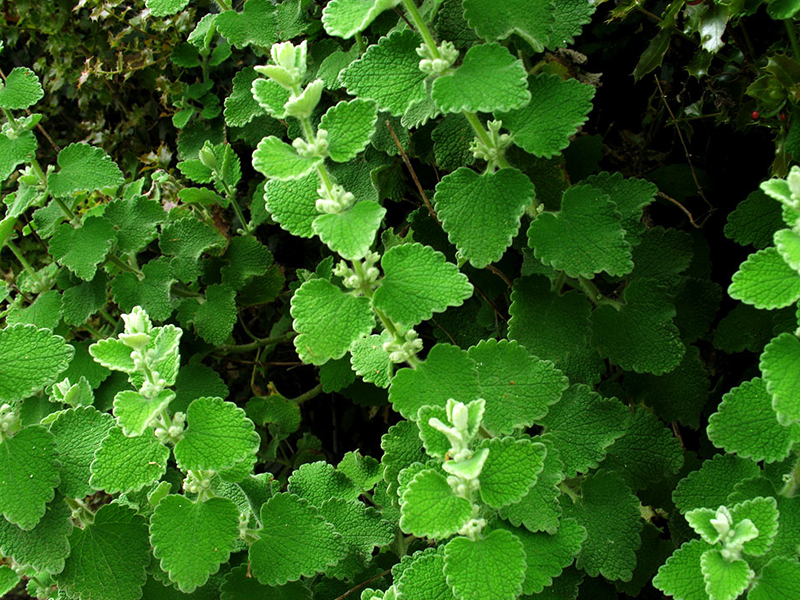
Some plants are used during the acute phases of bronchitis (like elecampane, cf. Plants & Health # 152). Other great during the chronic phase. This is the case of horehound. It occurs when the person has not reached out to a first bronchitis, his lungs are still crowded, and the mucus dries, can not be expectorated, causing a relapse. It is indicated for the person to be exhausted by the disease, either by age, and can no longer expel pulmonary waste still present. To summarize these virtues antitussive, Dr. Leclerc speaks of a real "sweep" on lung mucosa.

The second use of the plant that comes from Provence, is the purifying cure. A few decades ago, we took the horehound for a "spring cleaning" of the liver and other organs of elimination. Today, depurative cure can be a logical at any time of year. Take horehound during times when you feel your particular overloaded digestion. And follow the advice of "old", just stick up for an infusion daily for 3 days, followed by a pause of two days, then another decision three days. If you think a spoonful of honey can mask the bitter taste, you are mistaken. However, you will be surprised by adding the juice of half a lemon, much nicer!

In the garden
Grow your horehound from seed because it is not always easy to find in garden. Usually should be slightly scarify the seeds to increase germination rate. To do this, place them between two sheets of glass grained and rub gently in a circular motion for a few seconds. This is just to start the outer layer. Plant tray and bucket transplant once the seedling has few leaves. The seedlings soon become vigorous and may be planted in the ground after a few weeks.

In Provence, the plant following the herds, developing in sheep manure. So you would think she loves a rich land. My observations in the garden are all others. I saw him perish under the too generous gardener watering can or struggle along in a land too amended. My strongest marrubes have ressemés on a sandy hill where most plants wither. I suggest to find a poor, sandy area to make it a good drainage, then ignore it once mature. If he likes, he will develop into a big clump of 50-70 cm in diameter. Otherwise it will remain small and compact.

The cut in winter
Arrived at the end of October, the shaggy horehound needs a haircut. His dry stems go in all directions. Do not hesitate to fall back to two-thirds for the winter, he will leave in the spring.

Collect and dry
The best time to pick up the horehound is early flowering. These are the leaves and flowers of interest. Cut whole stems, and place them on a rack or flat on a rack, always in the shade and in a dry and well ventilated. You can also dry the bouquet upside down. The flowers tend to break up into small pieces and to cling to the clothes of anyone who sees it. And beware, it stings! They also release small irritating bristles for skin and bronchi. I advise you to manipulate the rods to a minimum. Once dry, put gardening gloves, then take each stem and remove leaves and flowers by pulling the top of the stem to the base. Compost the stems and keep the leaves and flowers in a paper bag in a dry place.
Gardening Stevia

Gardening Stevia

Gardening Stevia
If you think stevia is the new fashionable plant out of nowhere, think again. It was already used by the Guarani Indians of Paraguay before the arrival of the conquistadors to sweeten the yerba mate. But what do we know of it today? Can we tame this sudaméricaine the garden?

You will easily find this perennial garden center. If, however, you want to grow it from seed, know they need heat to germinate, (around 25 ° C). A porch or a small greenhouse is ideal. Fill a container with potting soil and planted wet the soil well. Tamp the first time and then sow the seeds. Cover them only sifted soil and tamp again firmly. Then it will always keep the soil moist. Check your tank at least twice daily and spray thoroughly. Do not let the sunlight tray, give it rather indirect light, so you do not cause excessive evaporation. The seed should germinate within two weeks.

Beware intruders

Be careful to take care of small seedlings. Indeed, you are not the only one to enjoy the sweet taste of the sheet. Snails are also greedy. Look good in your bin or under your buckets to remove any snail or slug. They may go unnoticed until they shave your shoots!

Sun and humidity

The plant loves the rich and organic-amended soils. So prepare a place in the garden where you will incorporate a healthy dose of compost or manure. Stevia appreciates exposure in full sun or partial shade half sun, which requires regular watering. She resents the gel will therefore require the indoor winter but likes well in pots on the balcony or on the edge of a sunny window.

Collect and drying

In an environment (sun, rich, moist soil), your stevias should produce an abundant mass of leaves.

• Cut off the branches and dry them on a rack in a dry, well-ventilated and away from direct light. If the branches are stacked on each other, return regularly for even drying. You can also tie them together and hang them upside down. Once dry, detach the leaves.

• Spray in a coffee grinder a small amount of leaves. Pass the powder through a fine mesh strainer. Recover the larger pieces and repeat the process until fine spray. Keep the powder in an airtight jar in a cool, easy to reach, ready to use.