Tribulus Terrestris: A Comprehensive Guide to the Herb and Its Benefits

Tribulus Terrestris: A Comprehensive Guide to the Herb and Its Benefits

 Tribulus Terrestris is a herbaceous plant that has been used for centuries in traditional medicine across various cultures, particularly in Ayurveda, Traditional Chinese Medicine, and ancient Greek medicine. Often referred to as "puncture vine" due to its spiny fruit, Tribulus Terrestris is believed to possess various health benefits, especially related to male vitality, athletic performance, and sexual health. This herb has gained popularity as a natural supplement, particularly among bodybuilders and those seeking to enhance their overall health.


Tribulus Terrestris: A Comprehensive Guide to the Herb and Its Benefits


Tribulus Terrestris Botanical Description

Appearance and Growth

  • Plant Structure: Tribulus Terrestris is a small, annual plant that typically grows up to 2 feet in height. It has fern-like leaves, yellow flowers, and produces small, spiny fruits that can be quite sharp, giving rise to its common name, "puncture vine."
  • Habitat: The plant thrives in dry, sandy soils and is commonly found in tropical and subtropical regions of Europe, Asia, Africa, and Australia. It’s highly adaptable and can grow in a variety of environmental conditions.

Active Compounds

The medicinal properties of Tribulus Terrestris are primarily attributed to its rich content of saponins, alkaloids, and flavonoids. Key active compounds include:

  • Protodioscin: A steroidal saponin believed to be the main active ingredient responsible for the herb’s health benefits, particularly its role in enhancing libido and athletic performance.
  • Diosgenin: Another saponin that has been studied for its potential to increase testosterone levels and support sexual health.
  • Flavonoids: These antioxidants contribute to the herb’s anti-inflammatory and immune-boosting properties.

Health Benefits of Tribulus Terrestris

1. Enhancing Libido and Sexual Health

Increasing Testosterone Levels

Tribulus Terrestris is widely recognized for its potential to naturally boost testosterone levels. This makes it a popular supplement for men looking to enhance their libido, sexual performance, and overall vitality. Some studies suggest that the herb may help increase testosterone by stimulating the production of luteinizing hormone (LH), which in turn signals the testes to produce more testosterone.


Supporting Erectile Function

The herb has been traditionally used to treat erectile dysfunction (ED). By improving blood flow and supporting vascular health, Tribulus Terrestris may help enhance erectile function and sexual satisfaction.


2. Athletic Performance and Muscle Growth

Boosting Physical Endurance

Tribulus Terrestris is commonly used by athletes and bodybuilders to enhance physical performance. The herb is believed to increase stamina, strength, and endurance, making it a popular choice for those looking to improve their workout performance and achieve muscle growth.


Promoting Muscle Recovery

The anti-inflammatory properties of Tribulus Terrestris may help reduce muscle damage and support faster recovery after intense exercise. This can lead to improved athletic performance and reduced muscle soreness.


3. Cardiovascular Health

Supporting Heart Health

Tribulus Terrestris has been studied for its potential to improve cardiovascular health. The herb may help lower blood pressure, reduce cholesterol levels, and support overall heart function. These effects are believed to be due to the herb’s ability to enhance nitric oxide production, which helps relax blood vessels and improve blood flow.


Reducing Inflammation

The flavonoids and saponins in Tribulus Terrestris have anti-inflammatory properties that can help reduce inflammation throughout the body. This is particularly beneficial for cardiovascular health, as chronic inflammation is a known risk factor for heart disease.


4. Managing Blood Sugar Levels

Regulating Blood Glucose

Tribulus Terrestris has shown potential in helping to regulate blood sugar levels, making it a beneficial supplement for individuals with type 2 diabetes. The herb may enhance insulin sensitivity and reduce blood glucose levels, supporting overall metabolic health.


Improving Lipid Profiles

In addition to its blood sugar-regulating effects, Tribulus Terrestris may also help improve lipid profiles by lowering triglycerides and LDL cholesterol while increasing HDL cholesterol. This further supports cardiovascular health and reduces the risk of metabolic syndrome.


5. Supporting Urinary and Reproductive Health

Improving Urinary Function

Tribulus Terrestris has been traditionally used to support urinary health. It may help alleviate symptoms of urinary tract infections (UTIs) and improve overall kidney function. The herb is also believed to have diuretic properties, helping to flush out toxins and support detoxification.


Enhancing Fertility

Tribulus Terrestris is often used to support reproductive health in both men and women. In men, the herb may improve sperm quality and motility, while in women, it is believed to help regulate menstrual cycles and support ovarian function.


How to Use Tribulus Terrestris

Forms of Tribulus Terrestris

Tribulus Terrestris is available in various forms, including:

  • Capsules and Tablets: These are the most common and convenient forms, providing standardized doses of the active compounds.
  • Liquid Extracts: These can be taken directly or added to water or other beverages.
  • Powder: Tribulus Terrestris powder can be mixed into smoothies, juices, or other foods.

Recommended Dosage

The typical dosage of Tribulus Terrestris varies depending on the specific product and intended use. Generally, a daily dose of 250 to 750 mg of a standardized extract (containing at least 45% saponins) is recommended. It’s important to follow the dosage instructions provided by the manufacturer and consult with a healthcare provider to determine the appropriate dosage for your needs.


Side Effects and Precautions

Potential Side Effects

Tribulus Terrestris is generally well-tolerated, but some individuals may experience mild side effects, including:

  • Gastrointestinal Issues: Some users may experience stomach upset, nausea, or cramping.
  • Sleep Disturbances: Due to its stimulating effects, Tribulus Terrestris may cause sleep disturbances or insomnia if taken late in the day.
  • Hormonal Imbalance: Prolonged use of Tribulus Terrestris may affect hormone levels, particularly in women, and could potentially disrupt menstrual cycles.

Interactions with Medications

Tribulus Terrestris may interact with certain medications, including:

  • Blood Pressure Medications: Since the herb may lower blood pressure, it could enhance the effects of antihypertensive drugs, leading to excessively low blood pressure.
  • Diabetes Medications: The blood sugar-lowering effects of Tribulus Terrestris may increase the risk of hypoglycemia when combined with diabetes medications.

It is important to consult with a healthcare provider before using Tribulus Terrestris, especially if you are pregnant, breastfeeding, have a medical condition, or are taking other medications.


Conclusion

Tribulus Terrestris is a powerful herb with a long history of use in traditional medicine. Known for its potential to enhance libido, boost athletic performance, support cardiovascular health, and regulate blood sugar levels, Tribulus Terrestris offers a wide range of benefits for those seeking natural ways to improve their health and well-being. As with any supplement, it’s crucial to use Tribulus Terrestris responsibly and consult with a healthcare professional to ensure it’s suitable for your individual needs. Whether you’re looking to enhance your physical performance, support sexual health, or improve your overall vitality, Tribulus Terrestris may be a valuable addition to your health regimen.

Healing Herbs: Nature's Secret Weapons for Well-being

Healing Herbs: Nature's Secret Weapons for Well-being

 Hey there, fellow herb enthusiast! Today, let's dive into the magical world of healing herbs – those little green powerhouses that nature has bestowed upon us for our well-being. Whether you're a seasoned herbalist or just dipping your toes into the herbaceous realm, you're in for a treat!

Healing Herbs: Nature's Secret Weapons for Well-being


Embracing Nature's Pharmacy

Imagine stepping into a garden where each leaf, petal, and stem holds the potential to boost your health and vitality. That's the beauty of herbs – they're not just for garnishing dishes (although they do that fabulously!), but they're also nature's way of saying, "Hey, here's a little something to make you feel awesome!"


The Marvelous Benefits of Herbs

Let's break it down, shall we? Herbs aren't just about smelling good or adding a kick to your spaghetti sauce (though they do that too – basil, I'm looking at you!). They're about:

1. Boosting Your Immune Mojo Ever feel like you need a shield against the sniffles? Herbs like echinacea and elderberry are like your immune system's BFFs, ready to kick germs to the curb and keep you feeling top-notch.

2. Soothing Your Stress Monster Stress? Ain't nobody got time for that! Enter adaptogenic herbs like ashwagandha and holy basil, here to calm your nerves and keep you zen amidst the chaos of modern life.

3. Aiding Digestion Like a Boss Too much pizza last night? No worries, peppermint and ginger are here to settle your tummy and bring back your appetite for the next round of deliciousness.

4. Giving Your Skin That Glow-Up Hello, radiant skin! Herbs like aloe vera, chamomile, and calendula aren't just pretty faces – they're the skincare superheroes you need for that natural glow.


Let's Get Practical: How to Herb Your Way to Happiness

Now, let's talk real talk. How do you actually use these herbal wonders in your everyday life? Here are a few fun ideas:

  • Herbal Teas: Brew up a cup of chamomile or lavender tea to unwind after a long day. It's like a hug in a mug, seriously.

  • DIY Herbal Remedies: Feeling adventurous? Whip up a batch of homemade herbal salve or a relaxing lavender bath soak. It's like a spa day at home, minus the hefty price tag.

  • Cooking with Herbs: Upgrade your culinary game with fresh herbs like rosemary, thyme, and cilantro. Your taste buds will thank you, and so will your dinner guests.


Choosing Your Herbal Adventure

Now, before you go raiding your neighbor's herb garden (not cool, by the way), remember a few key things:

  • Quality Matters: Choose organic and responsibly sourced herbs whenever possible. You want the good stuff, not the questionable leftovers.

  • Consult the Herb Whisperer (aka a Professional): If you're unsure about using herbs medicinally or have any health concerns, chat with a knowledgeable herbalist or healthcare provider. Safety first, folks!


Closing Thoughts: Herb It Up!

So, my herb-loving friend, whether you're sipping on a steaming cup of herbal tea or concocting your own magical herbal potions, remember that herbs are nature's secret weapons for well-being. Embrace their power, enjoy their benefits, and let them sprinkle a little herbal magic into your life. Here's to your health and happiness – herb it up and live your best botanical life!


Let's Stay Connected!

Now that you're all fired up about herbs (pun intended!), let's keep this herbal party going. Join me on this journey of herbal discovery by:

  • Sharing Your Herb Adventures: Drop a comment below and let me know your favorite herb and how you use it. Are you a lavender-lover or a mint maestro?

  • Exploring More Herbal Wisdom: Dive deeper into specific herbs and their benefits. Want to know more about the wonders of turmeric or the calming properties of chamomile? Let's explore together!

  • Connecting on Social Media: Follow me on [Twitter/Instagram/Facebook] (@YourHandle) for more herbal tips, fun facts, and maybe even some herbal memes. Because who doesn't love a good herb joke?


Final Herbal High-Five

Before you go herb-hunting or start concocting your herbal masterpieces, remember this: herbs are not just plants – they're allies in your quest for well-being, happiness, and maybe even a bit of culinary glory. So, embrace their magic, experiment with their flavors and benefits, and let them enrich your life in ways you never imagined.

Here's to healing herbs and the natural wonders they bring to our world. Until next time, stay herb-tastic!

Horehound, White Energy

Horehound, White Energy

Horehound, White Energy
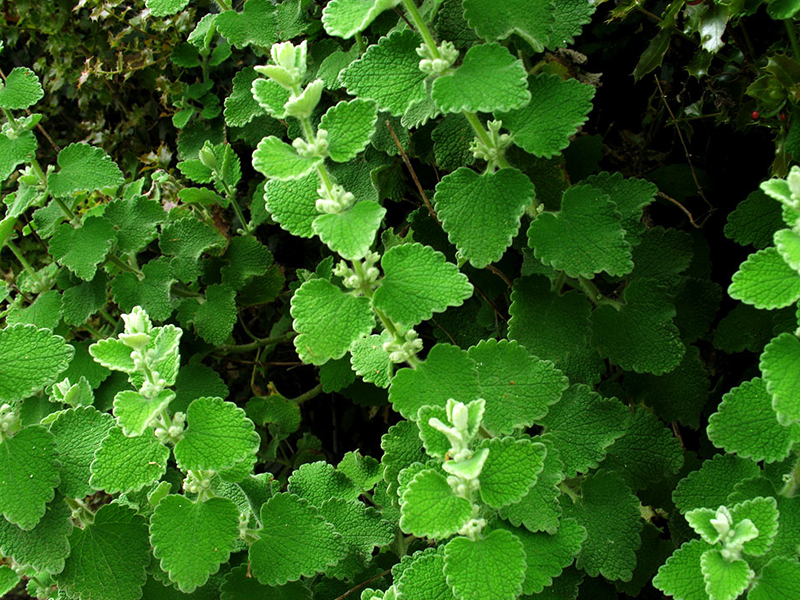
Some plants are used during the acute phases of bronchitis (like elecampane, cf. Plants & Health # 152). Other great during the chronic phase. This is the case of horehound. It occurs when the person has not reached out to a first bronchitis, his lungs are still crowded, and the mucus dries, can not be expectorated, causing a relapse. It is indicated for the person to be exhausted by the disease, either by age, and can no longer expel pulmonary waste still present. To summarize these virtues antitussive, Dr. Leclerc speaks of a real "sweep" on lung mucosa.

The second use of the plant that comes from Provence, is the purifying cure. A few decades ago, we took the horehound for a "spring cleaning" of the liver and other organs of elimination. Today, depurative cure can be a logical at any time of year. Take horehound during times when you feel your particular overloaded digestion. And follow the advice of "old", just stick up for an infusion daily for 3 days, followed by a pause of two days, then another decision three days. If you think a spoonful of honey can mask the bitter taste, you are mistaken. However, you will be surprised by adding the juice of half a lemon, much nicer!

In the garden
Grow your horehound from seed because it is not always easy to find in garden. Usually should be slightly scarify the seeds to increase germination rate. To do this, place them between two sheets of glass grained and rub gently in a circular motion for a few seconds. This is just to start the outer layer. Plant tray and bucket transplant once the seedling has few leaves. The seedlings soon become vigorous and may be planted in the ground after a few weeks.

In Provence, the plant following the herds, developing in sheep manure. So you would think she loves a rich land. My observations in the garden are all others. I saw him perish under the too generous gardener watering can or struggle along in a land too amended. My strongest marrubes have ressemés on a sandy hill where most plants wither. I suggest to find a poor, sandy area to make it a good drainage, then ignore it once mature. If he likes, he will develop into a big clump of 50-70 cm in diameter. Otherwise it will remain small and compact.

The cut in winter
Arrived at the end of October, the shaggy horehound needs a haircut. His dry stems go in all directions. Do not hesitate to fall back to two-thirds for the winter, he will leave in the spring.

Collect and dry
The best time to pick up the horehound is early flowering. These are the leaves and flowers of interest. Cut whole stems, and place them on a rack or flat on a rack, always in the shade and in a dry and well ventilated. You can also dry the bouquet upside down. The flowers tend to break up into small pieces and to cling to the clothes of anyone who sees it. And beware, it stings! They also release small irritating bristles for skin and bronchi. I advise you to manipulate the rods to a minimum. Once dry, put gardening gloves, then take each stem and remove leaves and flowers by pulling the top of the stem to the base. Compost the stems and keep the leaves and flowers in a paper bag in a dry place.
The Sensitive Plants

The Sensitive Plants

The Sensitive Plants
Herb-drug associations sometimes make detonating cocktails. Here's how and why we must be careful when mixed. Should we be afraid to take the sweet clover is when heart attack? A eucalyptus tea alters blood sugar levels? It takes knowledge, plants and drugs associations are far from trivial. And the two approaches are not always easy to combine. According doses, they can have unintended consequences on health, but the amount is not solely responsible.

Doctors prefer to remove these risks by discouraging their patients to resort to plants. They also have another good reason not to be comfortable: documented references dealing with these issues are almost non-existent. Fortunately, the experience of naturopaths and herbalists is instructive. That's why we wanted to take stock of the cons-indications, precautions, side effects or known to date. But beyond these tips, it seems important not to lose sight of its priorities for health choices. Thus, one often has plants responsible interference; gold the only drug interactions cause 8000 deaths per year according to the Ministry of Health. The plants are much less harmful because they naturally fall under the precept of Hippocrates: "First do no harm". 

Ten plants 'sensitive'

Among the most used here are those that have been associated with plants significant drug interactions. If you are on treatment, it is better to take precautions: 

Garlic (Allium sativum), aloe (Aloe vera), dong quai (Angelica sinensis), ginkgo (Ginkgo biloba), ginseng (Panax ginseng), Siberian ginseng (Eleutherococcus senticosus), kava (Piper methysticum), St. John's wort (Hypericum perforatum), primrose (Oenothera biennis), licorice (Glycyrrhiza glabra).

Ruckus on the cardiovascular system

Quite well known plants that can disrupt the action of anticoagulant drugs. Sweetclover or woodruff, for example, can interact with a molecule such as warfarin that is found in many drugs to thin the blood. They increase the effect thereof. Conversely, some plants have an inhibitory effect of warfarin is the case of the root of Angelica of China (dong quai) of borage oil, evening primrose oil , queen-of-meadows, ginkgo, garlic. Some plants may have an inhibitory effect on platelet aggregation. Of course, the plants mentioned above are concerned but we should also mention blueberry, ginger, ginseng, reishi and turmeric.

Finally, many plants lower or raise blood pressure significantly. Among those that lower the tension, there is at the forefront garlic and hawthorn but also the olive leaf. Naturally, they will be in opposition with drugs that seek to have a hypertensive effect. Licorice, mate, ginseng, yohimbe or have the opposite effect.

For those who are treated for cholesterol, beware of red yeast rice. This product, derived from a fungus raised on rice, is an excellent cholesterol. Its regular intake is significantly lower LDL and triglycerides. But its effects are added to those drugs lowering cholesterol, and those anticoagulants. It is also suspected red yeast rice to boost the effects of other drugs that can cause myopathy: ketoconale (antifungal), cyclosporine (immunosuppressant) and fibrate gemfibrozil (lipid lowering), nefazodone (antidepressant) and protease inhibitors ( used in the context of anti-HIV combination therapy). 

Nerve interactions

Antidepressant drugs are part of a highly specialized and complex molecular medicine. When plants will interfere with these drugs that are powerful, it will not be trivial. Conversely, there are also powerful plants that can resist these drugs in the context of the particular depression. This is the case of St. John's wort. This flower is on the management of serotonin in the body, or "pink hormone" prevents some type of antidepressant action, especially those referred to as inhibitors of serotonin reuptake (IRS). So we must choose: either you take a drug IRS which case we do not take St. John's wort, or we chose the wort but regardless of medication of this type. A medically monitored person will discuss it with her ​​doctor, psychiatrist or psychologist. Similarly, it also suspect valerian and passionflower have somewhat similar actions, although less powerful the products involved in mood, including benzodiazepines.

Finally, kava, powerful relaxing the nervous system (although forbidden very popular in Europe as it would be toxic to the liver) is subject of much attention: it interferes with all drugs that act on the system central nervous, especially antidepressants and neuroleptics ... As for cannabis, sometimes used under the coat, be aware that it is also disruptive for all of these drugs ... 

Blood sugar and diabetes care!

Plants with hypoglycemic virtues are many. Their modes of action are often very complex effects with either regulators or moderators of blood sugar. It should obviously take great care to associate a drug antiglycémique to a plant having an action of this type. It may indeed have both positive combined effects (could cause overdose) and negative (drug action is annoyed). The agrimony, burdock root, bilberry leaf, damiana leaves, Eleutherococcus , eucalyptus, but also the Galega, beans, olive leaf ... all these plants can brew moderate or regulate blood sugar. But if taking hypoglycemic drugs, better to avoid these associations.

We should also mention the specific case of aloe (Aloe vera), a product now extremely commonplace and yet may cause clinically significant interactions. Ayurvedic medicine has taught us that aloe had excellent hypoglycemic or antidiabetic properties, properties that have been validated by several clinical studies. It is here that the greatest caution is needed because there is evidence that the effect of aloe gel is added to that of glyburide (Diabeta), an antidiabetic drug, and this effect could also add to that drugs whose action is hypoglycemic. Furthermore, its active ingredient, alloïne, also adds to the effects of laxatives. 

Hormonal treatments in question

The hormonal system is a delicate balance and fuel system. Some plants naturally favor the return to the hormone balance such as sage or wormwood (for the female cycle). In any case, it can not submit the hormonal system, which by definition is an information system, opposite stimuli. He can not handle these contradictions. Therefore, either we follow an allopathic hormone treatment and held there, in which case we will avoid all the plants which can present actions on the medication suggested by the doctor, or we used a complementation of natural products for correct an imbalance.

We can combine medicines and plants! At the level of thyroid hormone for example, there is no plants which contain the tri-iodothyronine (T3) or thyroxine (T4) but on the other hand one can find plants which stimulate the activity of the thyroid, especially those containing iodine, namely seaweed, such as bladderwrack. 

On the contrary, the clay has a moderating effect. It takes internally in small doses. But if you opt for this treatment, p ace matter of taking the well known medicine that is called Levothyrox.

Female hormones, estrogen and progesterone also raise the same problem. In the family of estrogen, there are plants that can help the system understand its balances include sage, yarrow or mugwort or so of plants that will themselves make molecules like estrogens, phytoestrogens: the e kudzu, hop, clover, soybeans, alfalfa progesterone side, chaste tree, lady's mantle, the Verbena officinalis or melissa bring Similarly progesterone-like. It is important to know when taking hormone replacement therapy. A woman warned is forearmed! 

Side effects: a herbalist look at the plants in front

Any serious herbalist knows, the use of plants for healing is never Benin, here's why:

The plants can generate phenomena of allergies. This is the case of the Salicaceae because of their content of salicylates (similar to the active ingredient of aspirin): poplar, birch, Queen meadowsweet, willow. Since it is allergic, you have to be careful with these plants. And do not consume the same time as aspirin.

Plants can generate phenomena of photosensitivity. Applied to the skin, the essential oils extracted from citrus fruits can cause tanning effect too strong and therefore burns.  It is also the disadvantage of wort: it contains hypericin photo-sensitized skin. However, it must absorb a significant amount and make exhibits supported in the sun to get a strong reaction!

Plants can result of local irritation phenomena. Many have aggressive juices. So we do not apply a plant on the skin, which is a fragile organ, if one does not know well. Beware of accidents, for example, do not confuse the rocks to home, with giant hogweed, which can cause burns. Plants can cause inflammatory process. Harpagophytum, although it has cons-indications much smaller than the anti-inflammatory drug, is not least against-indicated in hypersensitive subjects.

Foods that do not pass

Grapefruit is remarkable when you have too much cholesterol. Several studies have shown. One conducted by the Israeli researcher Shela Gorinstein is very clear: patients who ate red grapefruit a day saw their total cholesterol drop by 15.5% and 7.6% with white grapefruit. So, as a natural remedy is partnering wrong with allopathic chemicals. Indeed, grapefruit juice significantly increases the absorption of cholesterol-lowering drugs in the body. This is the case with simvastatin and, to a lesser extent, atorvastatin. Grapefruit juice taken at the same time as simvastatin can multiply by 15 drug absorption and cause severe myopathy. It is therefore advisable to avoid taking grapefruit juice in the two hours preceding the taking. Or opt for the grapefruit diet, without medication.

When the plant is the antidote to the drug

Against migraines, respiratory problems or against pain, there are now some caffeine-based drugs or containing significantly. If this medicine "goes wrong" because you can not stand caffeine, or if you overdosed, know that there is a very good natural antidote: kudzu. Excessive coffee or a medicine containing caffeine, such Claradol Caffeine, will be perfectly countered by taking capsules of kudzu or kudzu starch spoon of coffee. Relaxation and assured relief! Like what plants are not only synonymous of negative interactions.

Even the best sometimes requires a bit of caution: green tea, for example, should be consumed in great moderation in the presence of anticoagulants, warfarin, aspirin, barbiturates, benzodiazepines and stimulants of the nervous system. As for licorice in the form of candy or aniseed drink, hypertensive - on medication or not - must refrain!
Why Asian Food More Healthy

Why Asian Food More Healthy

Why Asian Food More Healthy
Find everything you need to know to feel better with herbs. Can you imagine one without basil pasta sauce, Japanese food without wasabi or Mexican food without chile? Prepare authentic dishes from around the world has never been so easy.

Asian herbs, in particular, have become very popular in recent years. Thai basil, coriander, perilla, kaffir lime leaves, lemon grass and turmeric are easier to get each time, and the spices used in Africa, the Middle East and the Caribbean islands, among other regions.

And not only the leaves are used in recipes; often flowers, seeds, stems and roots are also included. The recipes we present you provide measures on the amount of herbs and spices that can be used, but you can change them to your liking. One of the great advantages of using herbs is that, and certainly you will notice, reduce the amount of salt to the cooking.Herbs provide enough flavor!

The golden rule is to prevent a taste dominates over others. The mixtures of herbs and spices such as masala and garam ras el hanout, are a delicate balancing act between a wide variety of flavors. While you like spicy, too chile can obscure herbs and spices subtle that accompany it. The very penetrating herbs such as cilantro, does not like all people, so its moderate use is recommended. and all the seasoning herbs that provide many benefits for the human body, such as cancer prevention and cure some diseases

You can always add more fresh herbs at the table. In Iranian and Vietnamese cuisine, a bowl with fresh herbs is an appetizer or a joint lining. The Lebanese also provide a source of fresh herbs and vegetables as part of a selection of entries in the table.

When cooking with herbs is better to add the soft leaf, such as coriander, towards the end of cooking to retain its flavor. Thicker, such as rosemary, are ideal for dishes that require long, slow cooking. Dried herbs have better concentrated than fresh, so you need less quantity. Buy few dried herbs and spices, to avoid waste, and save them in an airtight container. Do not ignore the expiration date of commercial products as dry grass or spice can deteriorate sooner than indicated. The best way to verify its freshness is by smell, taste and appearance. Thankyou.
Why Women Need Turmeric

Why Women Need Turmeric

Why Women Need Turmeric

My friends, though now already the world in advanced age, does not mean the traditional ingredients forgotten. Apparently, there are herbs that are very close to the life of women, especially when subjected to the process of menstruation. The herbal medicine namely turmeric acid.

A wide variety of acid turmeric benefits, especially for the girls and women. Among them, turmeric acid can help relieve pain during menstruation. Additionally, turmeric acid made from acid and turmeric which contains a lot of fiber in it. Thus, the number of fibers in these herbs, turmeric acid can help the digestive process for ladies and gentlemen.

It is no wonder that herbal acid turmeric is also the main ingredient in the diet for woman and men also. In some healthy site also explains that turmeric acid is also beneficial in helping to facilitate digestion and reduce the accumulation of fat in the body. With the lack of fat in the body, and digestive and bowel smooth, clear turmeric acid is the right choice as a complement to the diet of the ladies.

However, regardless of the benefits of turmeric acid, but the women are not encouraged to consume herbs turmeric excessive acid or every day. Quoted from several doctors of nutrition in their health sites, excessive eating herbs will affect digestion. It is recommended for all women to consume turmeric acid as needed and not too much because too many herbs will have any side effects that allow unwanted things.
Some Foods Make You Smart

Some Foods Make You Smart

Some Foods Make You Smart
The brain is one of the vital organs are the most very important for human life. As the central nervous system, brain function set most of the other organs in your body. The brain is also closely related to the thinking and cognitive abilities. Therefore, the health of the brain must be kept to be able to work optimally.

In addition to avoiding the stress and get enough rest, the brain requires adequate nutrition from the food you consume daily. These nutrients also help boost brain power and avoid the attack of various diseases. Here is a list of 14 foods that can boost brain power:

1. Whole grains ( Pure Wheat )
Just like the body, the brain needs enough energy in order to work optimally. This energy is supplied by the blood to the brain in the form of glucose derived from carbohydrates. In order for energy intake remained awake throughout the day, choose complex carbohydrates are more slowly digested by the body. Among such as whole wheat bread, oatmeal, and brown rice. Whole wheat also has a low glycemic index so that your glucose levels are better controlled.

The importance of energy to increase brain power is evidenced by several studies. One is the study of Cueto and Chinen, who showed that school children who skip breakfast are not able to achieve a higher value in working memory and problem-solving tests.

2. Fish rich in omega-3
The omega-3 fatty acids, particularly EPA and DHA are known so important for brain development in the fetus. One study even shows if pregnant women who consume omega-3 in the third trimester of pregnancy likely to give birth to babies with higher cognitive intelligence. The researchers suggest that DHA is needed at this stage to establish neuoron in the brain.

DHA is also believed to be able to maintain the health and strength of the brain in adults. Research from Tufts University revealed that those who ate fish three times a week and have a higher DHA levels in blood decreased risk of developing Alzheimer's by 39%.

Unfortunately, these essential fatty acids can not be produced by the body and must be obtained from food. Sources of omega-3 is good example of marine fish contain unsaturated fats such as tuna, mackerel, sardines, salmon, herring, and anchovies.

3.Blueberry
Research from Reading University, UK, revealed the antioxidants in blueberries help stimulate blood and oxygen to the brain so that it remains fresh and awake concentration. Volunteers who do not eat blueberry juice before taking the test attentional performance even decreased by 15 to 20% after five hours than those who drink it.

Meanwhile, research from Tufts University showed that consumption of blueberries can improve memory and prevent the loss of short term memory. Another study revealed that blueberries help improve spatial memory in mice, while antioxidants reduce inflammation that may cause long-term memory.

4. Tomatoes
Carotenoids the red pigment in tomatoes, allegedly can improve cognitive function and long-term memory. The most prominent carotenoid lycopene which is commonly found on the skin of tomatoes. One of these substances, including antioxidants may protect cells from free radical damage that causes dementia and Alzheimer's.

Research from Finland was published in the journal "Neurology" also reveal if lycopene helps protect the brain from stroke. Men with higher lycopene levels in the blood have the possibility of a stroke 55% lower than those likopennya lower levels.

5. Vitamin B
Vitamins B6, B12, and folic acid (B9) is known to reduce levels of homocysteine in the blood. High levels of homocysteine associated with increased risk of stroke, cognitive decline, and Alzheimer's. Research conducted on a group of elderly patients showed an improvement in memory after taking vitamins B6, B12, folic acid and high doses for 2 years. Brain cell damage suffered by them are also lower compared with those who received placebo treatment or medication apparent.

Sources of foods rich in vitamin B6 for example whole grains, bananas, nuts, or meat. Folic acid can be obtained from the spinach, avocado, asparagus, and cauliflower. While vitamin B12 can be obtained from animal products such as milk, meat, fish and eggs.

6. Blackcurrant
Research in New Zealand showed that blackcurrants help improve concentration and reduce mental fatigue. A total of 35 volunteers were asked to complete the test for 70 minutes which was deliberately designed to make the brain tired. As a result, those who drank blackcurrant extract can work on the problems more accurately without slowing, feel more able to concentrate, and not too tired when compared to those who are just getting a placebo treatment.

Other studies have shown black currants help counteract damage to brain cells that cause Alzheimer's. Not yet known for sure which factors cause this, but researchers believe the content of anthocyanins contained in blackcurrant help fight oxidative stress damage the brain cells.

7. Spinach
Research by disclosing iron deficiency at low levels can affect the ability to learn, remember, and pay attention. Sufficient iron levels can restore the ability of the brain. This iron can be obtained from dark leafy vegetables such as spinach, beans, and soy. Spinach also contains folic acid is beneficial for brain health.

8. Broccoli
Broccoli is very rich in vitamin K, which can improve cognitive function of the brain. Vitamin K is an effect on a person's ability to absorb and remember verbal instructions. Broccoli also contains antioxidants that can protect brain cells from damage.

Broccoli also contains choline which is important in the formation of new cells in the brain. One of the studies reveal if choline consumption during pregnancy can help children improve cognitive function, improving the ability of learning and memory, and also prevent memory decline caused age.

9. Nuts
One study published in the "American Journal of Epidemiology" indicates that sufficient vitamin E may help prevent cognitive decline, especially in the elderly. Nuts are a good source of vitamin E in addition to green leafy vegetables, asparagus, olive oil, grains, eggs, brown rice, and whole grains.

10. Chocolate
Research shows the polyphenol content of flavonoids in chocolate could potentially protect the brain from damage caused by neurotoxins, suppress inflammation, improve memory, learning ability, and cognitive function. Those who eat chocolate every day for 8 weeks to have the ability to recall, verbal fluency, and cognitive test scores were higher than those who do not. Several other studies indicate if the consumption of polyphenol-rich foods regularly can reduce the risk of dementia and Alzheimer's.

11. Green Tea
Not only beneficial for human health, green tea is also able to maintain health and improve brain power. Studies of the University of Basel, published in the journal "Psychopharmacology" reveal if the consumption of green tea may improve cognitive function, especially the ability to remember.

The study showed those who consumed green tea before performing cognitive tests can work on the problems better than those who received placebo treatment. Researchers say if green tea can improve the short-term synaptic connections between brain so that they can learn faster.

12. Beet
Research from Wake Forest University showed that the beets and other root vegetables such as carrots can improve brain power. Beets contain nitrite is converted to nitrate by the body that helps improve blood supply and oxygen to the brain. Studies show elderly volunteers (70 years or more) increased performance after being given a bit of juice on a regular basis.

13. Turmeric
Turmeric contains antioxidants curcumin has anti-inflammatory functions. Research shows that curcumin helps prevent the accumulation of beta amyloid that disrupt brain function in people with Alzhaimer. Curcumin is also believed to improve memory and stimulate the formation of new cells in the brain.

14. Fresh Water
Every part of our body need water to work, not to mention the brain. Approximately ¾ of the brain even consists of water. Research at Ohio University revealed if they are able to keep their bodies hydrated scored better on cognitive tests than those who do not drink enough water. In addition to water, you can also meet the needs of the body fluids from fruits such as watermelon or cucumber.
The Benefits Of Natural Coconut Oil

The Benefits Of Natural Coconut Oil

Coconut Oil Benefit
The most famous tropical fruit coconut is one of the plants that all parts of this plant is so useful. Not only its fruit, fiber, or its trunk, also coconut oil is very rich in tremendous benefits for human healthy. Coconut oil is 100 percent natural, affordable, and easy to get in many tropical countries. The benefits for whole of body, to human body skin, digestive system, mental, human hair etc. Here are six unique benefits of coconut oil to human body:

1. Skin Care
Coconut oil is an excellent moisturizer used for all skin types, especially for dry skin and experiencing the signs of aging. Coconut oil can refresh your skin, making your skin look younger and healthier in the long time. Fats and antioxidants on it can help reduce the appearance of wrinkles without irritation.

Not only beautify skin, coconut oil can also solve skin problems such as dermatitis, eczema, psoriasis, and other skin diseases. Coconut oil is very rich in vitamin E, which is able accelerate the regeneration of damaged skin cells. Vitamin E also serves to maintain healthy skin and prevent from skin cancer.

2. Relieves Stress
Natural aroma of coconut oil can help reduce stress levels. If you feel tired after working all day and deal with problems that make you depressed, try to apply a little coconut oil and massage your head in a circular motion. You can also try mixing it with your favorite other aromatherapy.

3. Solve Digestive Problems
Coconut oil contains lauric acid and capric acid are included in saturated fat medium chain triglycerides. These fats are used to produce human antibodies, the body's main defense system against infections and viruses. These fats also can help control the bacteria and fungi which cause digestive problems and gastrointestinal systems, as well as irritable bowel syndrome.

With the destruction of parasitic bacteria, digestive system can work more optimally. The content of fatty acids in coconut oil also helps in the absorption of minerals, vitamins, and amino acids, which will make you more healthy.

4. Maintain Body Shape
Coconut oil is proven to improve thyroid function, increase your metabolism and energy levels. Also can help to burn unwanted fat and increase muscle formation. Coconut oil also contains enzymes that function as catalysts stomach acid that can help break down fat. Medium chain triglycerides was easily absorbed by the body so that cholesterol is not easily increased. That's why coconut oil is popular as a low-calorie fat naturally the only one in this world.

5. Increase Body Energy
Lauric acid content which is included in the medium chain triglycerides are very abundant in coconut oil. These fats are sent directly by the body to the heart to be processed as energy. This is what makes coconut oil is useful as a source of instant energy to the body. This function is needed in the diet of simple carbohydrates so it is suitable for those who want to stay energized without adding a lot of calories.

6. Help Healing Process
As described earlier, lauric and capric acid useful in the formation of antibodies in the body. These antibodies not only protect the body from infection, but also from outside infection. When treating wounds scratched or grated coconut oil can form a thin chemical layer which protects the wound from bacteria, dust, and viruses. Coconut oil accelerate the wound healing process by repairing damaged tissue. Plus, coconut oil has a scent that is much better than drugs wounds that you can get at the pharmacy.

7. Hair Care
Coconut oil is one of the most nutritious products you can use to treat your hair. So many benefits that can be taken, such as keeping the hair moisture, maximize hair growth, strengthens hair roots, and eliminates dandruff. Coconut oil also provides the essential proteins required for nourishing damaged hair and strengthen hair.

The abundance of benefits and the price is cheap cause coconut oil is widely used in hair care products. Instead of buying hair care products which may be contains by chemical that is not too useful, it would be better if you directly using natural coconut oil to treat your hair. Thank you.
Olive Oil, The Awesome Benefit

Olive Oil, The Awesome Benefit

olive oil
Olive oil has so many benefits and outstanding functionality that is not just for body skin care and beauty face. Olive oil has a versatile substance to be used as a prescription of medication to alleviate various disease problems. Olive oil can also be used as aromatherapy oils or common therapy for treating certain types of diseases such as cancer, skin disease, body and facial treatments etc.

General efficacy of olive oil:

- Olive oil can be used on hands, hair, and as a material for a massage oil or massage sequence.
- Makes hair shiny and prevent dandruff
- Removing wrinkles and prevent aging skin
- Drinking olive leaf, helps to lower high blood pressure
- Olive oil contains anti-oxidants, prevent cancer, ashtma and osteoporosis.
- To reduce pain and heartburn stomach-churning.
- Can reduce acne and acne scars on the skin.
- Massage in the whole body can eliminate tiredness or fatigue, pain or stiffness in the muscles of the body
- Eliminate cholesterol in foods such as seafood or goats and other fats.

Olive oil has versatile functions and properties with several benefits including:

1. Olive oil reduces the cholesterol. 
Olive oil can help you to lower cholesterol cholesterol level, without reducing the useful cholesterol content.

2. Olive oil reduces the risk of blockage (thrombosis) and thickening of the blood vessels (arteriosclerosis).
The researchers say that the nutrients contained in olive oil can reduce the negative effects of fat in the diet to blood clots and reduce the thickening of the heart nafi vessels.

3. Olive oil helps you to reduce the use of lowering high blood pressure drugs 
For those who suffer from high blood pressure and used to consume drugs lowering high blood using olive oil can lower blood pressure in high blood levels of 7 points with the consumption of olive oil.

4. Olive oil reduces cancer attacks
According to specialists and researchers, they found fact by consuming olive oil with the right dose can help human to reduce and protect against the risk of cancer, especially colon / bowel, uterine cancer, ovarian cancer and breast cancer.

5. Olive oil helps mother to produce good milk
Contained in milk fat which is the single best fat excellent consumed by humans. Single fat that is the kind of fat that is also owned by olive oil. If a woman or women who are in lactation consume olive oil are combined in some foods will help produce good milk for babies.

Olive oil also has some excellent benefits for the health of the body, face, skin, hair and treatment of several diseases, by a natural ingredient which is contained by olive oil are:

- Oil virgin oil
- Vitamins A, C, D, E and K
- Contains unsaturated fatty acids
- Contains a good saturated fatty acids such as myristic acid, arachidat acid, stearic acid, palmitic acid and lignoserat with small levels.
- Mono-unsaturated fat, oleic acid, polyphenols, esesensial fatty acids, potassium, iron and calcium.
- Contains phenol flavonoids it contains elements that have an active role as a powerful antioxidant and helps in inhibiting the oxidation of LDL (bad cholesterol).

How to consume:

a. Consume or drink

- To start of treatment: 1 x 1 teaspoon per day. Having got used to try to drink 1-2 tablespoons per day. When consuming olive oil, do not immediately drink water, but drink juice or tea or eat fruit, pastries / breads. The result will be optimal for beauty, health, bone and neutralizing of food poisoning.

b. For skin care

- For bath: Besides applied on the skin is desired, pour a tablespoon of olive oil 5-10, into the tub or bath up, mix with the water. The result is skin feel soft, not dry / dull, luminous and make the body healthy and fresh.

- For oily facial skin: apply a little olive oil on the face and use a paper towel and put on the face so that the oil lifted and few live in the face.

- Olive oil can be used as a facial cleanser as a base powder or foundation, so the skin does not dry, the skin will look radiant face naturally.

- For normal skin facial / dry, it can be used 2-3 times topical.

Dose of usage Olive Oil:

- For adults: 1-2 tablespoons per day after meals

- For children: 1-2 teaspoons per day after meals
Mangoe leaves benefit for human body

Mangoe leaves benefit for human body

mango leaves
you all already know this delicious fruit that sometimes only in certain seasons. In addition, there are many benefits of mangoes which can be obtained from the fruit we consume. But if you hear the leaves of mango is beneficial for health, of course, still a few people who know.

As I said earlier, there are still a few people who know what the benefits of mango leaves to health. Therefore, I will inform you what the health benefits of mango leaves. Mango leaves alone we can find a lot around the house. Well, so we could make our own medicine through mango leaves.

Benefits of Mango Leaf

1. Reduce Pain of Diabetic Angiopathy

Angiopathy Diabetes is a deadly disease. The disease attacks the blood vessels of the patient around the pancreas. However, with this mango leaves, you can reduce the pain of this Angiopathy Diabetes. You can use a powder of mango leaves, then that will be used as a tea you brewed for the Diabetes sufferers.

2. Lowering High Blood Pressure

Not many people know, that mango leaves are also useful for lowering high blood pressure. Consuming tea with mango leaf powder can reduce blood pressure.

3. Refreshing Body and Treat Restless

Mango leaves can also be useful for those of you who feel uneasy. To eliminate this, the easy way. Add two to three cups of tea leaves of the mango into your bath water. Bathe as usual, then after a shower you will feel more refreshed and anxiety is reduced. Herbal bath is highly recommended for decrease soreness and also lackluster.

4. Human Reproduction better

Other benefit of mango leaves also rarely known to the general public. Mango leaves also have a function to enrich the couple. The way is easy, simply puree two spring onions and mango leaves to taste. Then mix with half a cup of warm water, then brewed. Drink regularly.

5. Treat Gout

Mango leaves in addition to treating diabetes, you also can use it to treat gout. Quite easy, mango leaf brewed in hot water, then brewed. Potions can add honey or sugar to taste. You can also smooth mango leaves to make it easier.

6. Relieve cough and cold diseases.

7. Relieve asthma.


How to Consume Very Easy: Pick a few pieces of mango leaves, wash thoroughly and then chopped, freshly dried until dry, store in a dry place and take 2 teaspoons then pour 1 cup of hot water.
Thankyou.